


After six years of pop-ups, TriLingua Cinema finds a permanent home on St. Paul’s East Side
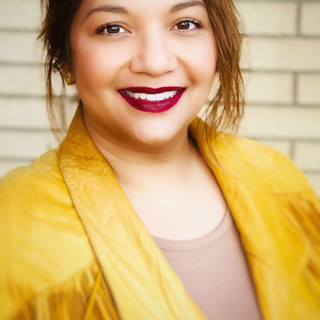

After six years of pop-up screenings in schools, parks and community spaces across St. Paul’s East Side, TriLingua Cinema has found a permanent home.
The nonprofit, micro-cinema has spent the past six years using movies to bring East Side residents together. Now, with a physical space of its own, TriLingua is expanding its programming and moving closer to its original vision: a movie theater created for and by the East Side.
“It is really awesome to have our own space,” said Geordie Flantz, TriLingua’s founder and programming director. “I think there’s something about having a physical space that people walk in and immediately kind of get it and can see the vision.”

TriLingua began during the pandemic, when Flantz organized the organization’s first three screenings. The first was held on the lawn outside the East Side Freedom Library. The second was a local short-film festival with Indigenous Roots on East Seventh Street, followed by a drive-in movie at Rivoli Bluff overlooking downtown St. Paul.
Since then, the organization has held more than 100 free or low-cost pop-up screenings around the community. The name TriLingua, meaning “three tongues,” reflects the three languages most commonly spoken on the East Side: English, Spanish and Hmong.
The organization’s programming reflects that diversity, with independent and local films, movies in multiple languages, family-friendly throwbacks and films from larger distributors.
“We really work to use film as a way to bring communities together and bring all of the East Side together,” said Sidney Pisano, TriLingua’s executive director.
The new space means the organization can do more of that work on a regular basis.
“We’re open every Friday and Saturday night here,” Pisano said.
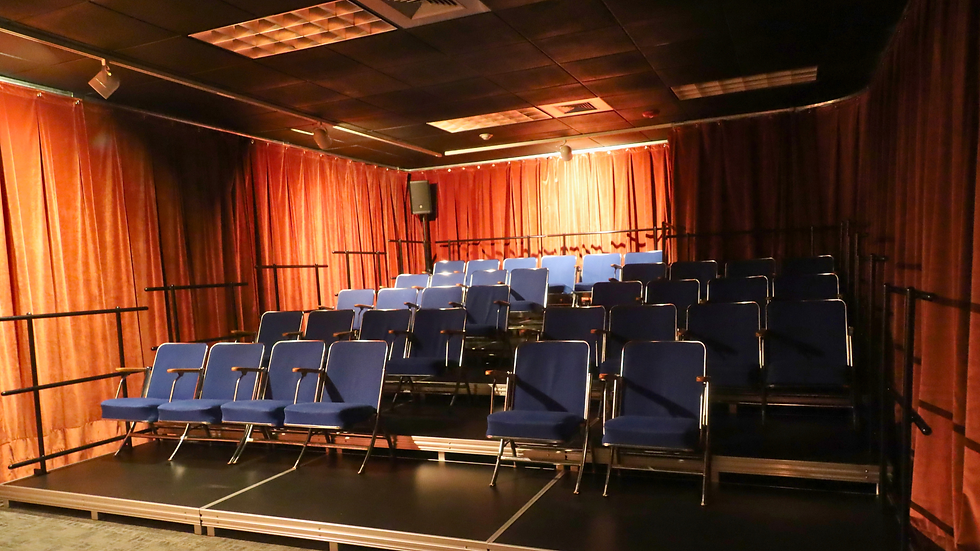
TriLingua also is expanding its youth programming. A youth advisory council meets every other Wednesday, giving young people a chance to develop programming and take the lead in using the space. The organization also plans to establish a community advisory council.
At the organization’s grand opening a few weeks ago, more than 200 people came through the building, Flantz said. Neighborhood children ran through the space alongside residents and visitors from elsewhere.
“It was super positive,” he said. “Everybody was really excited, really good vibes.”
Flantz’s interest in opening an East Side movie theater grew from his own connection to the neighborhood. After moving to the area, he learned that the East Side once had several movie theaters and thousands of theater seats. The neighborhood was also once a major manufacturing center, home to companies such as Whirlpool and 3M. Commercial districts such as Payne and Arcade were filled with mom and pop shops.
That history helped shape Flantz’s vision for TriLingua.
The East Side has long been a working-class immigrant community, he said, although the people who live there and the neighborhood’s economic circumstances have changed over time.
“We just don’t have the same cultural or economic resources that we used to have,” Flantz said.
He said TriLingua is part of a broader network of community organizations working to build cultural resources from the ground up, but those groups need continued support from the city and the wider Twin Cities.
For Pisano, the organization’s growth is also a testament to the volunteers who have kept it going. TriLingua operated entirely with volunteers until the past two years, when Pisano became its first staff member. Volunteers remain essential to the organization, she said.
“We still always need volunteers and want people in the neighborhood to come out and continue to make this space their own,” Pisano said.
Flantz said that the communal experience of cinema can help relieve the isolation many people felt after the pandemic. He encourages people to rediscover the experience of sitting in a dark theater surrounded by other people and watching a story unfold together.
“It’s a powerful experience that I think is very bonding for audiences and communities,” he said.


Comments