


Journalist Georgia Fort seeks dismissal of federal charges
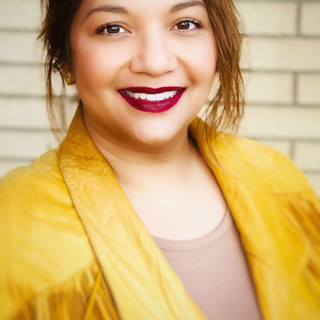

More than six months after federal agents arrested independent journalist Georgia Fort at her home, her attorneys are asking a federal judge to throw out the criminal case against her, saying that the government is trying to punish her for doing her job.
Fort and her legal team at Ballard Spahr filed three motions on Aug. 6 seeking dismissal of the federal charges stemming from her coverage of a Jan. 18 protest at Cities Church in St. Paul. The protest was held at the church because its pastor, David Easterwood, also serves as director of the ICE field office in St. Paul.
"It's been over six months since federal agents came to my home, ferociously banged at my door, terrified my children and took me away in handcuffs for simply reporting the news in my hometown," Fort said.
The demonstration at Cities Church came amid heightened tensions over Operation Metro Surge and the fatal shooting of Renee Good by federal agents in Minneapolis earlier that month. Fort, who is the president and founder of the Center for Broadcast Journalism and Power 104.7 FM, had been reporting on ICE's presence and the community response months prior to the church protest.
On Jan. 18 Fort went to Cities Church as a journalist, according to her attorneys, who say she did not initially know about the protest when she arrived. They say Fort was invited into the church, where protesters had begun demonstrating during a service. She recorded what was happening, interviewed people involved and documented another journalist's interview with the pastor.

Fort is charged under federal statutes including the Freedom of Access to Clinic Entrances Act, or FACE Act, and a conspiracy statute. The superseding indictment, which includes 37 other defendants, alleges they all interfered with parishioners' ability to worship during the protest.
Understanding the motions for dismissal
In the first motion for dismissal, Fort's attorneys say that the indictment does not allege that Fort herself used force, threatened anyone or physically obstructed anyone. The defense points to testimony from a government witness who said he did not feel physically threatened by Fort while she live-streamed the protest. The motion also notes the government has acknowledged the indictment does not allege Fort or another journalist charged in the case were chanting inside the church.
The FACE Act prohibits force, threats of force and physical obstruction intended to injure, intimidate or interfere with a person's exercise of religious freedom. The defense argues that Fort's presence at the protest cannot be separated from her role as a journalist.
"Fort's activities reporting on such a protest from the scene therefore falls squarely within the protections of the First Amendment," her attorneys wrote.
The motion also challenges what it describes as "selective" enforcement. Fort's attorneys say parishioners and the church itself recorded and disseminated footage of the protest but were not charged. They argue that prosecuting journalists for recording and reporting on the same events amounts to treating different speakers differently based on their viewpoint.
The defense also contrasts the prosecution of Fort with the government's treatment of journalists covering immigration enforcement. The motion argues federal officials have invited journalists to accompany immigration agents during raids while prosecuting journalists who covered protests critical of those same policies.
The second motion takes aim at the legal sufficiency of the indictment itself.
Fort's attorneys argue that even if the First Amendment issues are set aside, the government's allegations do not satisfy the elements of the FACE Act. They say the indictment does not allege Fort used force, issued a true threat or physically obstructed anyone's movement. The motion also argues the government's conspiracy allegations fail because the indictment does not establish Fort agreed to participate in criminal conduct or possessed the specific intent required for conspiracy liability.

The third motion accuses the government of pursuing Fort in retaliation for her journalism. Her attorneys point to statements by senior government officials following the Jan. 18 protest, including comments that the government would pursue people involved in the demonstration and journalists present at the protest could also be charged. The defense argues those statements show the prosecution was motivated by Fort's reporting and the anti-ICE viewpoint she was documenting.
The motion also alleges federal agents made false statements about Fort's conduct in sworn affidavits used to obtain search warrants. According to the defense, agents characterized Fort as chanting and described her camera as a weapon used to intimidate or threaten people. The defense says video and witness testimony contradicted those claims.
Fort said the government acknowledged at a recent hearing it had "made an error" regarding claims made against her in sworn affidavits. She said the case has affected more than her legal situation.
"Here I am, understanding that anything I say right now can and will be used against me, and that understanding has driven self-censorship and, in many ways, halted my reporting," Fort said in statement.
Fort said she has become increasingly aware of the consequences of what she publishes and the prosecution has affected her ability to cover stories. Fort said she believes the First Amendment will prevail, but hopes the case demonstrates the consequences a criminal prosecution can have on journalists.
"When it's all said and done, I hope no other journalist ever has to choose between protecting themselves and reporting the truth," Fort said.
The defense is asking the court to dismiss the superseding indictment with prejudice, which would prevent the government from bringing the same charges again. The court has not yet ruled on the motions, and the timing of decisions remains unclear.


Comments