


Minnesota to host national research convening centering Black women and community


An inaugural convening concerning how community research is conducted will take place on June 11 and 12 at Westminster Presbyterian Church in Minneapolis, 1200 Marquette Ave. S.
Research in Action (RIA), a social benefit corporation founded in 2018 that develops research and evaluation projects to help inform organizational development and community engagement, is hosting the convening in partnership with Equity in Action Way Foundation (EAW), a local non-profit that helps fund the efforts of RIA.
Black women researchers from across the country will descend on Minneapolis from states including California, Mississippi and Pennsylvania, along with other local and national attendees from varying sectors including academia and philanthropy, to participate in the learning exchange on innovative strategies to engage community. The theme of the convening is “Building a New Table with Black Women, Girls and Femmes.”
RIA challenges traditional research practices concerning how solutions for community needs are assessed and understood, by centering people as the leaders and issue area experts from the beginning of the research process, through the findings, to recommended solutions. When the people who the research concerns most are positioned and assumed as the leaders in defining the problem and deciding on how findings will be implemented, the outcomes will be in better service to impacted communities, RIA argues.
Dr. Brittany Lewis, founder of RIA and former co-founder of EAW, says that the convening is a part of RIA’s legacy in challenging extractive research practices.
“Traditional research approaches assume that there is a person who knows better or more than someone else,” said Lewis. “They kind of dive into communities to extract information, and then they make meaning of that information separate from those people, and then they tell them what those people should think or do, and that makes no sense. I think community has the answer, but they are not valued for their knowledge, they're severely undervalued for their knowledge, they're blamed for the context they are in versus respected as folks who have deep insight to the context that they are in.”
At the June convening, RIA will for the first time, present its findings of its 2025 statewide survey of Black women and girls and discuss how that information will be used and activated.
“I very much envision this future where we're not just hearing Black, brown, and Indigenous voices, but they're trusted as architects of change, which guides how researchers ask questions, challenge the status quo, which could be certain practices or policies within certain institutions or structures, and ultimately redesign how systems shape lives.” Lewis said.
Lewis and her team emphasize that the theme of “Building a New Table with Black Women, Girls and Femmes” requires participation from all people regardless of ethnicity or sector and encourages anyone who is interested to register.
Dr. Catherine Squires, former associate dean of the Humphrey School of Public Affairs and professor of Communication Studies at the University of Minnesota, is an inaugural board member of EAW. Squires was affirmed in the need for this kind of convening by the amount of presentation proposals that she and fellow board members were tasked with reviewing. In total they received more than 30 proposals for eight spots.
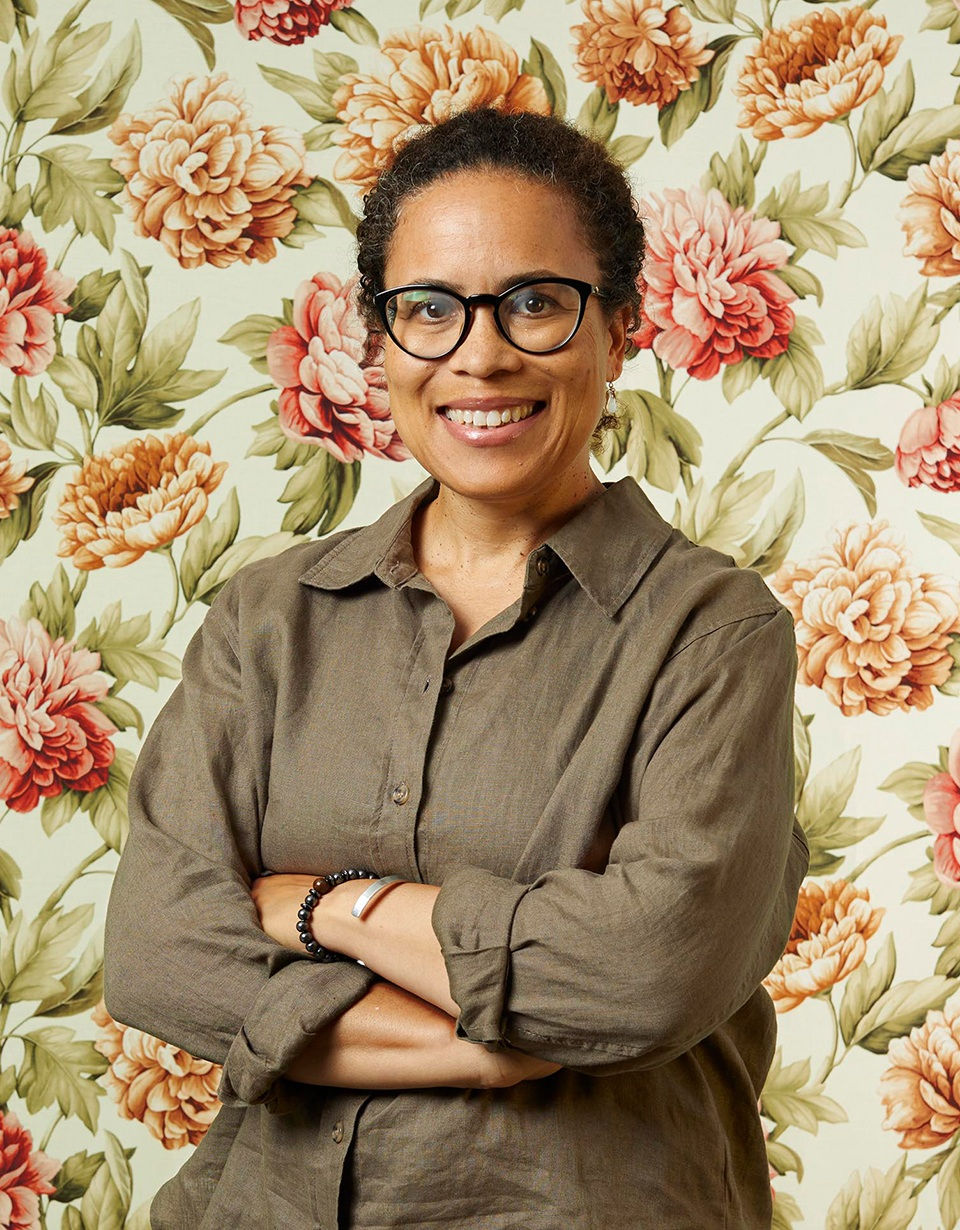
“It's a really transformative way of thinking about research, and it doesn't just stop at when you get the results of your survey, or you summarize what the focus group says,” Squires said. “The final step is making actionable recommendations and building a coalition the whole way to give those recommendations a better chance of being put into policy or practice.”
Squires said changing how research is conducted can ultimately change how community comes together.
“The goal is not just to fund people who are doing community research, but to fund people who are doing community research with the aim of taking the results of that research into an arena where they can actually make change,” Squires said. “Hopefully we'll get lots of people at the gala so that we can start to expand the footprint of this kind of work, and also bring more people into awareness that there is a different way to do research. You don't have to do research in a way that keeps people from understanding the processes that you're using. You don't have to do research in a way that pits people against each other. You can do research in a way that brings people around the table, so that they're all working together towards a shared goal, and using shared values to guide that research.”
To learn more about the Community Research for Liberation National Convening and register for the gathering and the fundraiser, visit www.researchinaction.com/convening.


Comments